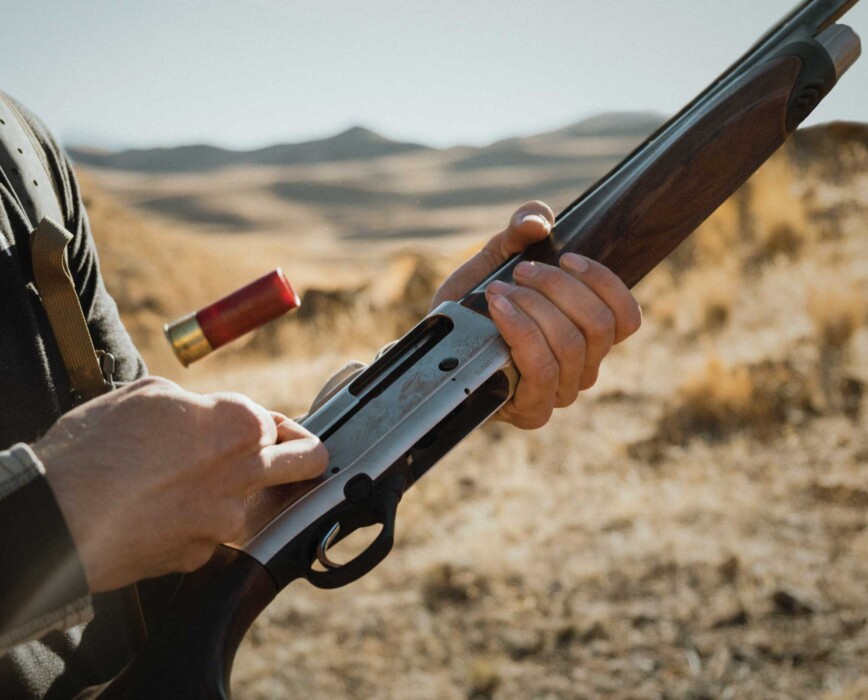
The Beretta A400 is one of the most important modern semi-automatic shotgun families in the Beretta lineup. Known for smooth cycling, advanced recoil management, reliable gas operation, and strong versatility, the A400 has become a favourite among hunters, clay shooters, and shotgun enthusiasts around the world.
For Canadian shooters, the Beretta A400 is especially interesting because it offers several different models for different purposes. From waterfowl hunting to upland hunting, sporting clays, trap, skeet, and general range use, the A400 family has grown into a premium semi-automatic shotgun platform with a strong reputation for performance.
Beretta’s Long Shotgun Heritage
Beretta is one of the oldest firearm manufacturers in the world, with firearm production dating back to 1526. Over hundreds of years, Beretta has built a reputation for producing high-quality shotguns, rifles, pistols, and shooting accessories. The company is especially respected for its shotgun lineup, which includes field guns, competition shotguns, tactical models, and premium sporting firearms.
Before the A400, Beretta had already built many successful semi-automatic shotguns. Models such as the AL390, AL391, Xtrema, and other Beretta gas-operated shotguns helped establish the company’s reputation for reliability and smooth shooting performance.
The A400 family built on that history while introducing a more modern approach to semi-automatic shotgun design.
The Purpose Behind the A400 Platform
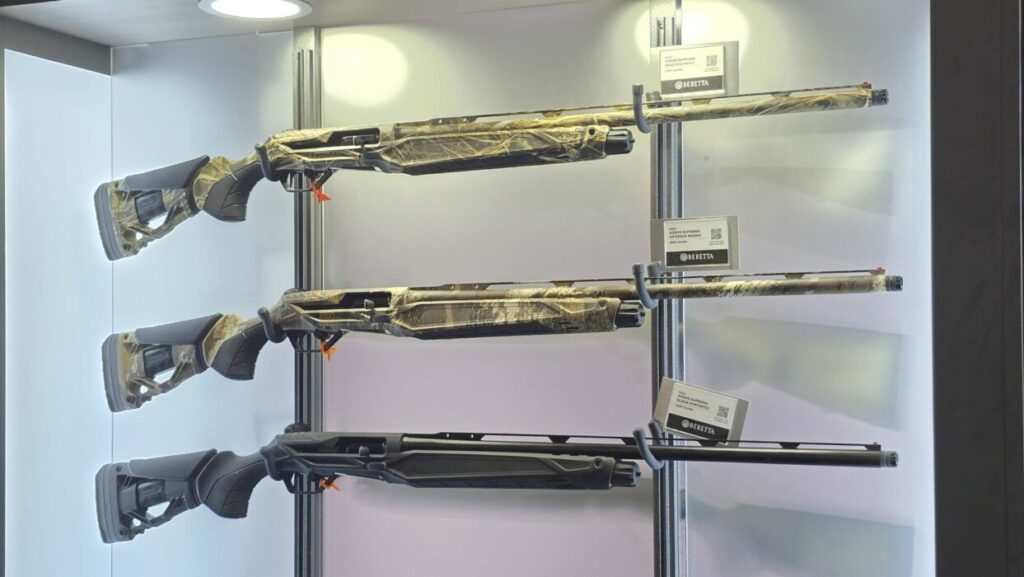
The Beretta A400 was developed to be a high-performance semi-automatic shotgun family that could serve different types of shooters. Instead of creating one single-purpose shotgun, Beretta built the A400 as a platform with multiple versions designed for field, waterfowl, upland, and competition use.
This is one of the reasons the A400 became successful. It was not limited to one niche. A hunter looking for a rugged waterfowl shotgun could choose an A400 Xtreme Plus. A clay shooter could look at the A400 Xcel. An upland hunter could choose a lighter and more traditional field model.
The A400 family gave shooters options while keeping the core Beretta semi-automatic design philosophy intact.
Modern Semi-Automatic Engineering
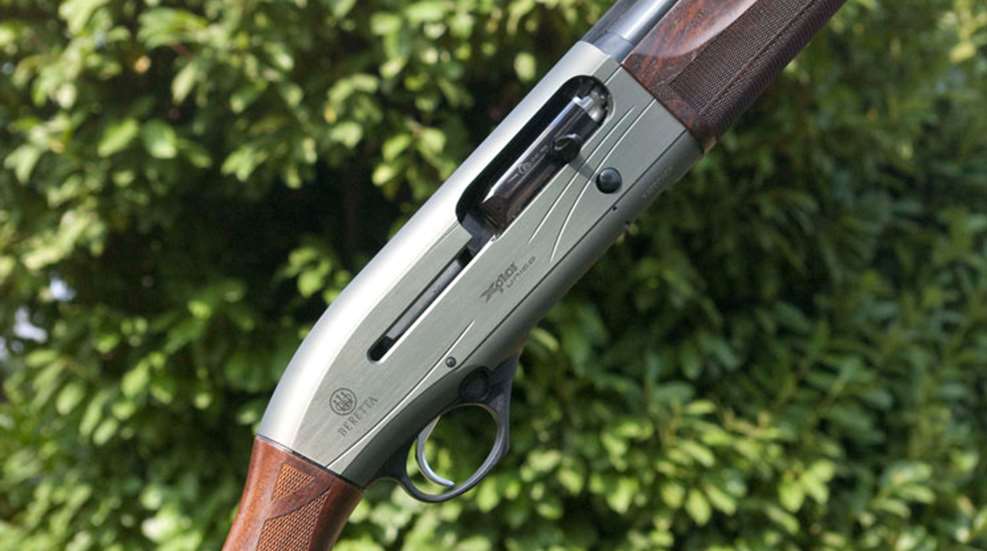
One of the defining characteristics of the A400 is its gas-operated semi-automatic system. Beretta designed the platform to be easy to maintain, and Beretta describes the A400 as being built with a low number of components and breaking down into five major parts for easier cleaning and long-term reliability.
This matters because semi-automatic shotguns must operate reliably through different weather conditions, ammunition types, and shooting environments. A simpler and easier-to-maintain system can be a major advantage for hunters and sport shooters who use their shotguns frequently.
The A400 line also introduced several modern Beretta technologies depending on the model, including recoil-reduction systems, advanced barrel designs, oversized controls, corrosion-resistant finishes, and improved stock ergonomics.
The A400 Xtreme and Waterfowl Focus
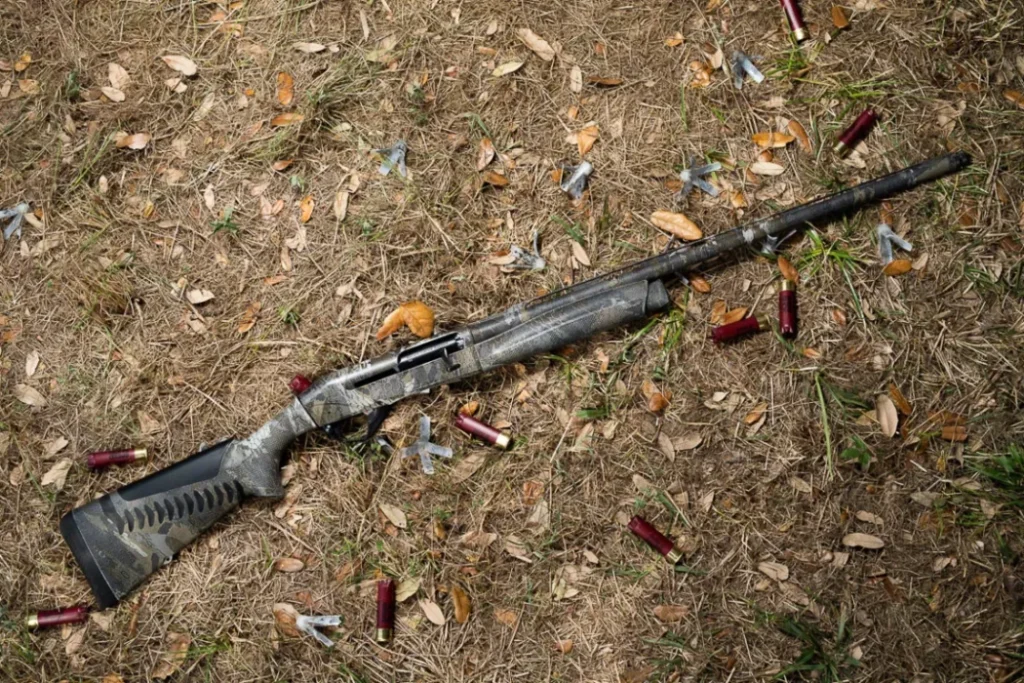
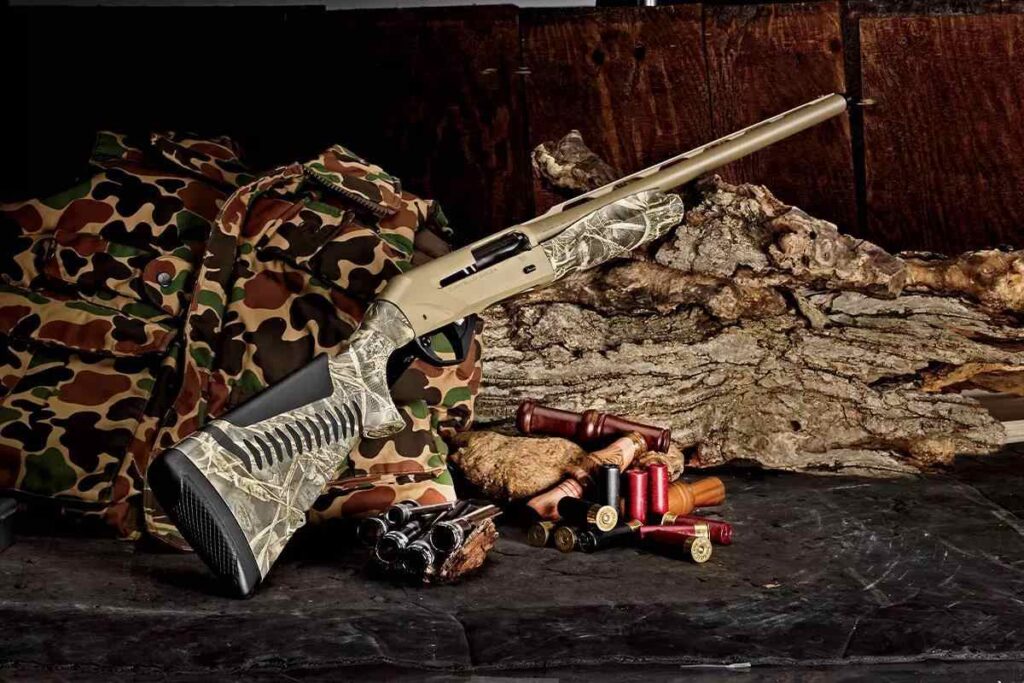
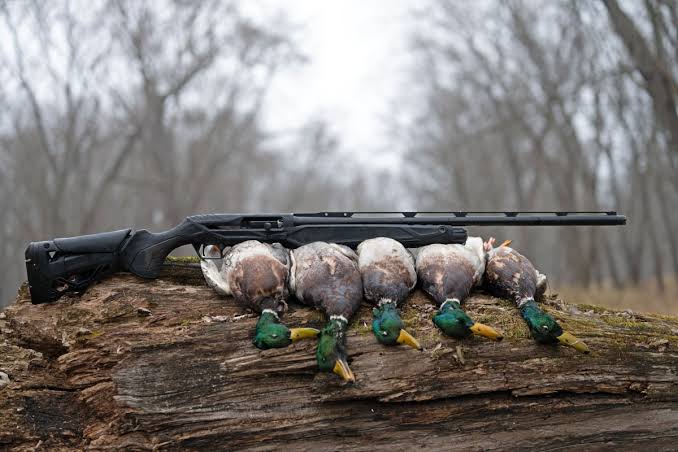
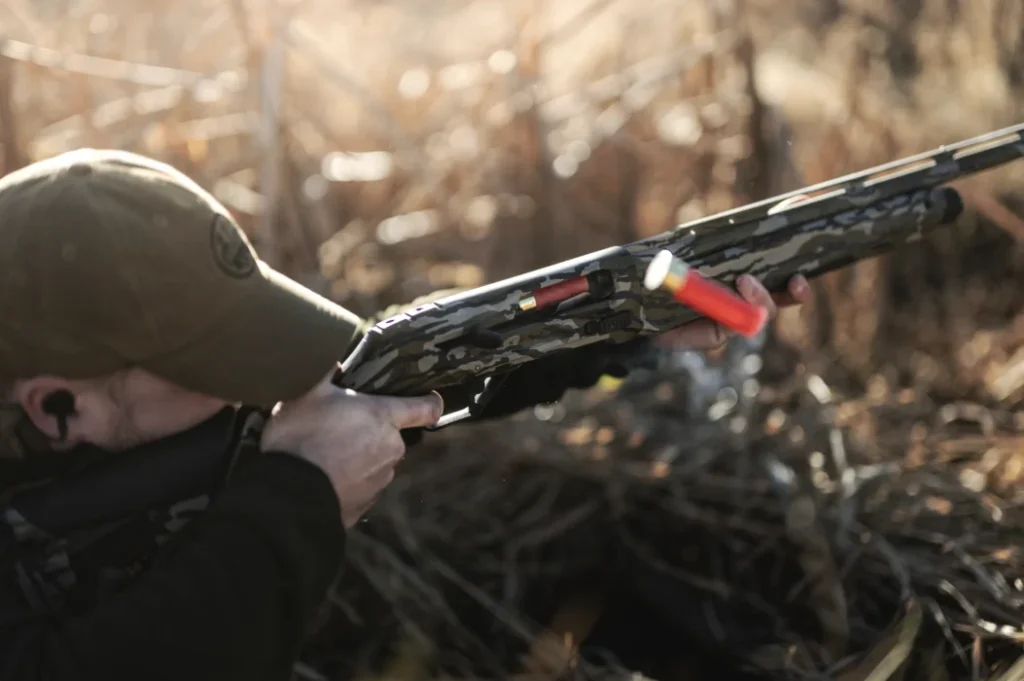
One of the best-known versions of the A400 is the A400 Xtreme family, especially the A400 Xtreme Plus. This model is designed for difficult hunting conditions, including wet, cold, and muddy environments often associated with waterfowl hunting.
The A400 Xtreme Plus includes Beretta’s Steelium Plus barrel technology and protective treatments intended to resist corrosion and wear. Beretta describes the A400 Xtreme Plus as using Steelium Plus barrels with a long forcing cone, step rib, mid-bead, fibre-optic front bead, and Optimachoke HP Black Edition extended choke system.
For Canadian hunters dealing with harsh fall and winter conditions, that kind of durability and field-focused design is a major part of the A400’s appeal.
The A400 Xcel and Sporting Use
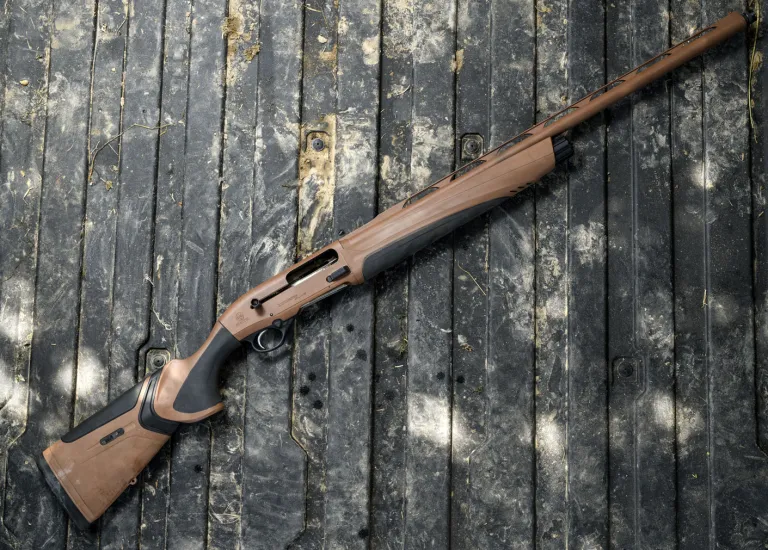
The A400 family is also popular among clay shooters. The A400 Xcel models are designed for sporting clays, trap, skeet, and recreational clay target shooting. These models focus on smooth operation, reduced felt recoil, fast cycling, and balance suitable for repeated shooting.
Clay shooting places different demands on a shotgun than field hunting. A sporting shotgun must be comfortable during high-volume use and predictable during fast target transitions. The A400 Xcel was created for that type of shooting environment.
For Canadian shooters who spend time at the range or clay field, this makes the A400 family especially attractive.
Why the A400 Became Important
The A400 became important because it gave Beretta a modern premium semi-automatic shotgun family that could compete across multiple categories. Instead of relying only on older successful models, Beretta created a platform that reflected what current shotgun buyers wanted: reliability, easy maintenance, reduced recoil, durability, and model variety.
The A400 also helped show that a semi-automatic shotgun could be refined, fast, comfortable, and purpose-built at the same time.
Final Thoughts
The Beretta A400 shotgun family represents a major step in Beretta’s modern shotgun history. It combines Beretta’s long manufacturing heritage with current semi-automatic technology and practical model options.
For Canadian shooters looking for a premium shotgun for hunting, clay shooting, or general sporting use, the Beretta A400 remains one of the strongest semi-automatic shotgun families available today.