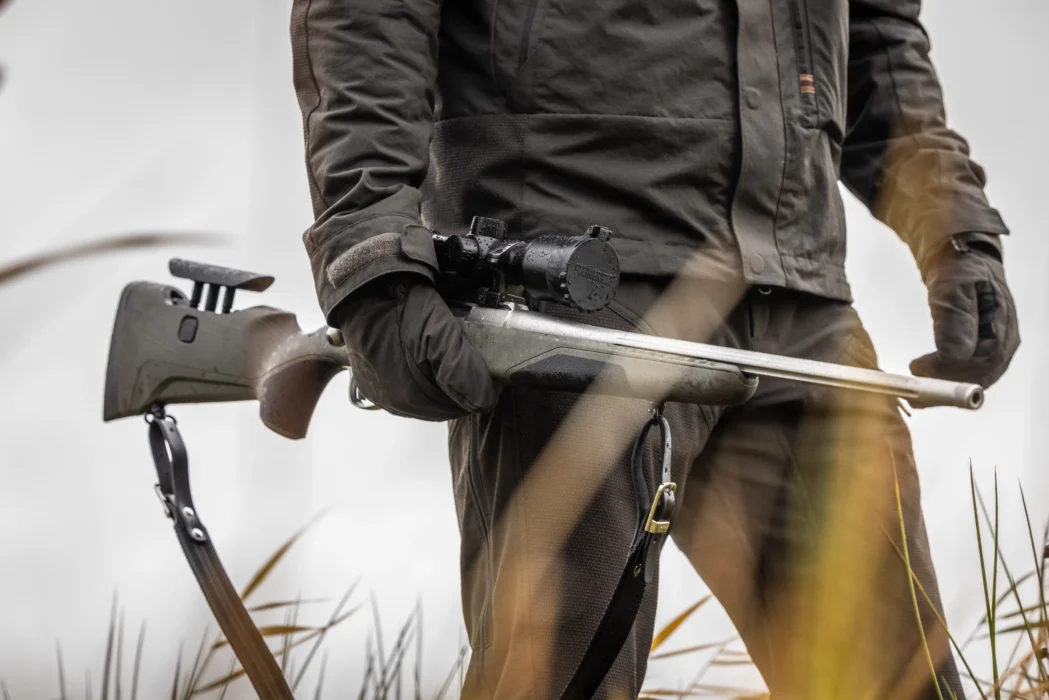
Sako 90 vs. Sako 85: The Evolution of the Ultimate Bolt-Action Rifle
For nearly two decades, the Sako 85 was the benchmark for premium production hunting rifles. However, as optics became larger and long-range shooting grew in popularity, the limitations of the 85’s design led to the birth of the Sako 90. While both rifles share the Finnish commitment to quality and a 1-MOA accuracy guarantee, the Sako 90 introduces critical mechanical updates that address the changing needs of the modern hunter.
The Action and Ejection System
The most significant departure from the Sako 85 is the 90’s bolt and ejection mechanism.
- Sako 85 (Hybrid CRF): The 85 utilized a unique hybrid “Controlled Round Feed” and a fixed mechanical ejector located at the bottom of the action. While generally reliable, the ejection angle was very steep. With the rise of large-diameter 34mm scopes and low-profile turrets, some 85 owners experienced “stovepiping,” where the spent casing would hit the scope and fall back into the action.
- Sako 90 (Push Feed with Dual Plungers):1 Sako moved to a robust push-feed system for the 90, incorporating dual plunger ejectors.2 This change ensures a flatter, more consistent ejection path, completely clearing even the largest tactical optics. The bolt cycle is arguably the smoothest in the industry due to the new broached receiver manufacturing process.
Optics Mounting Interfaces
The mounting system is often the deciding factor for many shooters choosing between these two generations.
- Sako 85: Features the proprietary tapered Optilock dovetail.3 While incredibly strong and self-centering, it limits the user to Optilock rings, which can be expensive and sometimes difficult to find in specialized heights.
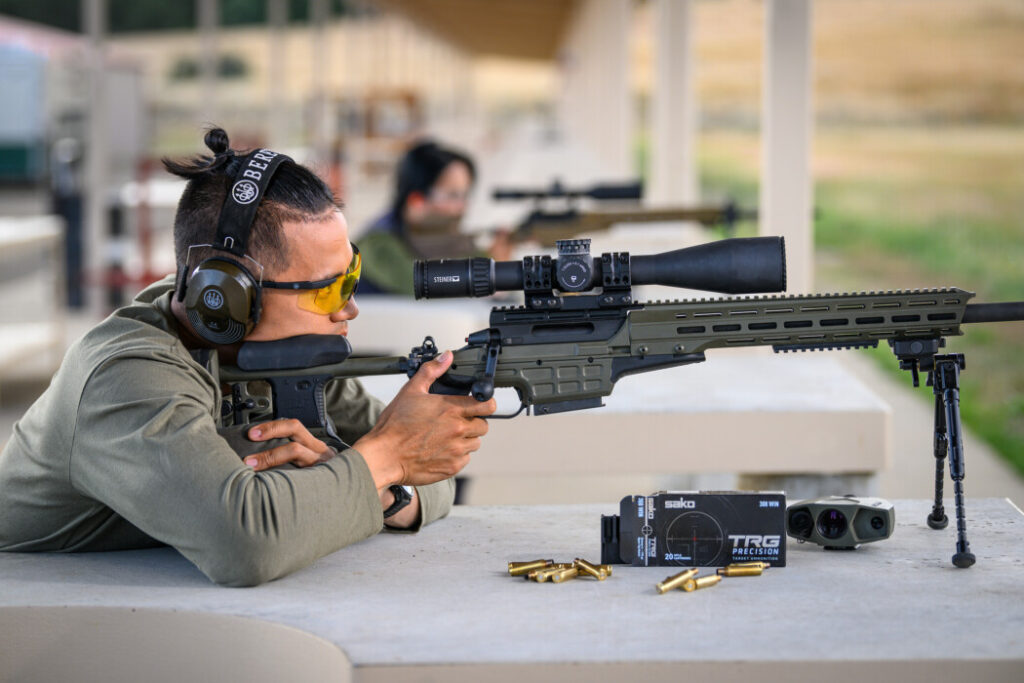
- Sako 90: Offers two distinct interfaces depending on the model.4 The “field” models (Hunter, Bavarian) feature a flat interface for a more universal Optilock mount. The “technical” models (Peak, Quest, Adventure) feature an integrated Picatinny rail machined directly into the steel receiver.5 This provides maximum rigidity and allows for an infinite variety of mounting options.
The Multi-Adjustable Trigger
The Sako 90 introduces a level of user-customization that was previously only available through aftermarket gunsmithing.
The Sako 85 trigger was excellent but required the user to remove the barreled action from the stock to adjust the pull weight. The Sako 90 features a five-position adjustable trigger that can be operated from the outside of the trigger guard using a Torx key.6 Shooters can choose from five distinct weight settings (ranging from approximately 2 to 4 lbs) and even adjust the physical position of the trigger blade for the perfect finger reach.7
Comparison Table
| Feature | Sako 85 | Sako 90 |
| Action Type | Hybrid Controlled Round Feed | Push Feed |
| Ejection | Fixed Mechanical (Steep angle) | Dual Plunger (Flat angle) |
| Optic Mount | Tapered Dovetail | Integrated Picatinny or Flat |
| Trigger Adjustment | Internal (Stock removal required) | External (5-Position Preset) |
| Manufacturing | Standard Milling | High-Precision Broaching |
| Action Sizes | 5 Sizes (XS to L) | 5 Sizes (XS to L) |
Performance in the Field
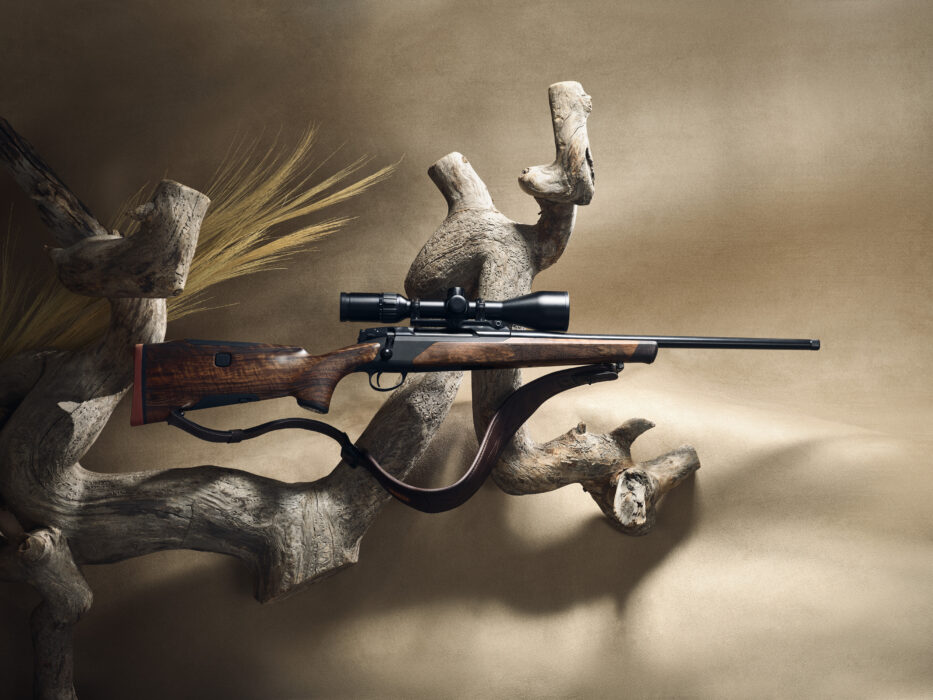
The Sako 85 remains a masterpiece of traditional aesthetics, particularly in the Hunter and Bavarian walnut versions. It is a rifle for the purist who appreciates the mechanical interaction of a fixed ejector and the classic Sako silhouette.
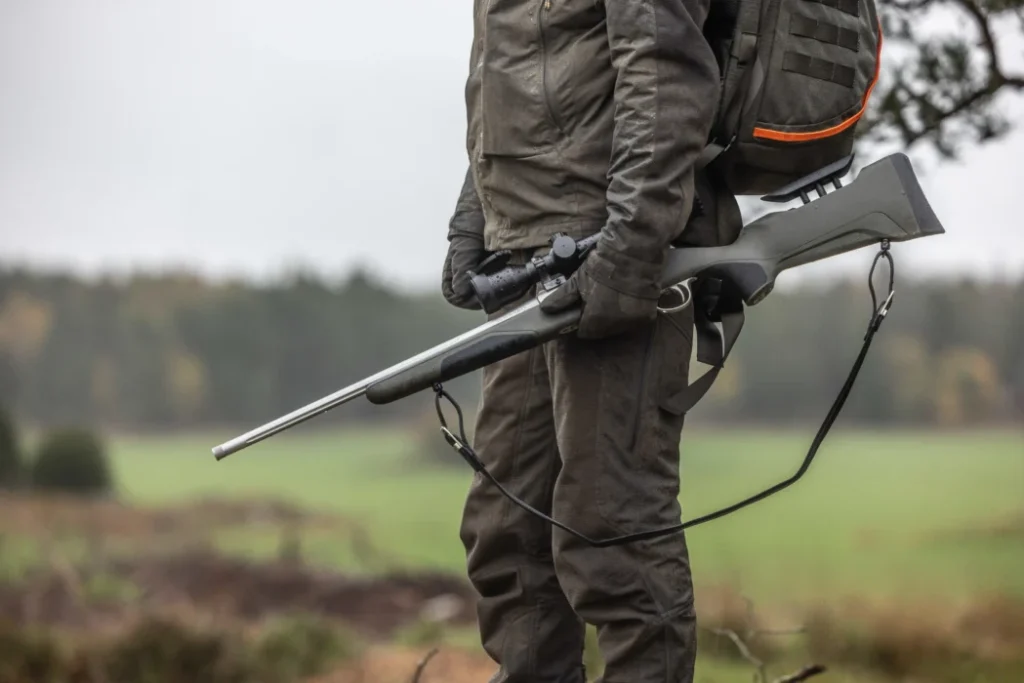
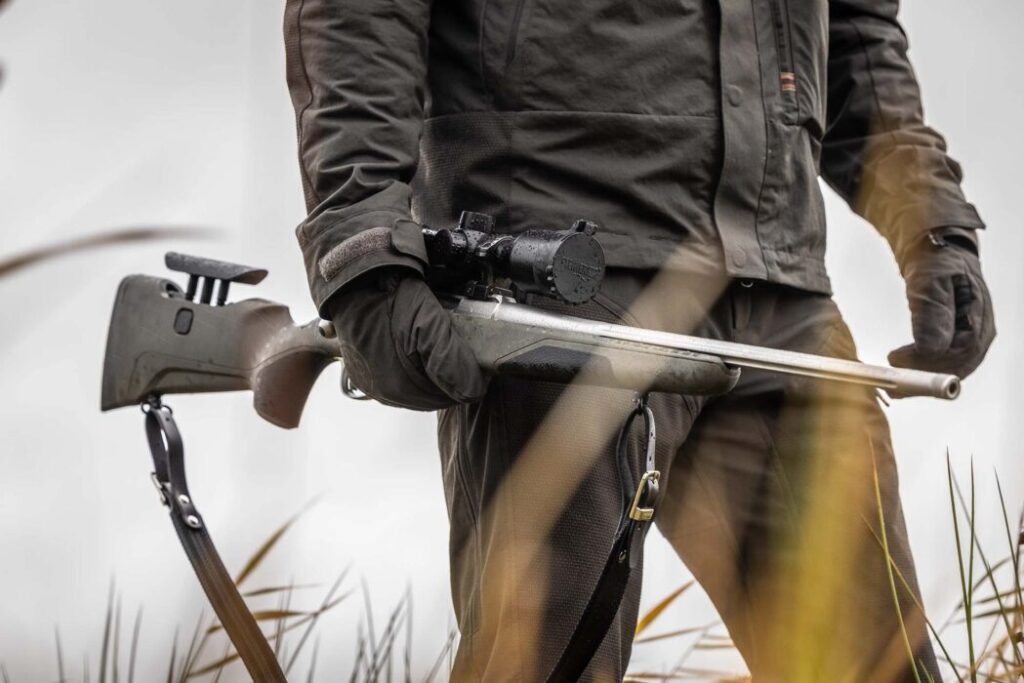
The Sako 90, however, is the superior choice for the modern, technical hunter. By addressing the ejection path and mounting interface, Sako has made the 90 compatible with the high-magnification, large-objective optics required for modern backcountry hunting. The improved stock ergonomics and the ability to change trigger weights on the fly make it a more versatile tool for varying conditions.